

At first glance, a short interpreting assignment sounds simple.
A 15-minute speech. A quick announcement. A brief Q&A.
How hard can it be?
In interpreting, the answer is: sometimes harder than a full day in the booth.
In this post, I’d like to lift the curtain a little and explain why short interpreting assignments can actually be more demanding than long ones, and what that means for organisers, agencies and clients who book interpreters.

Complexity Doesn’t Shrink With Time
The key idea is simple:
Complexity doesn’t shrink just because the speaking time is short.
In many settings, shorter slots are used for high-stakes content:
- Key decisions
- Strategic announcements
- Important figures and results
- Condensed updates and presentations
All the key information is squeezed into a small window. The messages come fast, there’s no fluff, and every single word matters.
From an interpreter’s perspective, that means:
- Less room for settling in
- Less time to familiarise yourself with the speaker’s style
- Less opportunity to adjust to pace, accent or terminology “on the fly”
You start at peak concentration from the very first sentence.
No Warm-Up, Just Peak Focus From Second One
In a longer assignment, there’s usually:
- A bit of small talk
- Introductions
- Housekeeping or agenda-setting
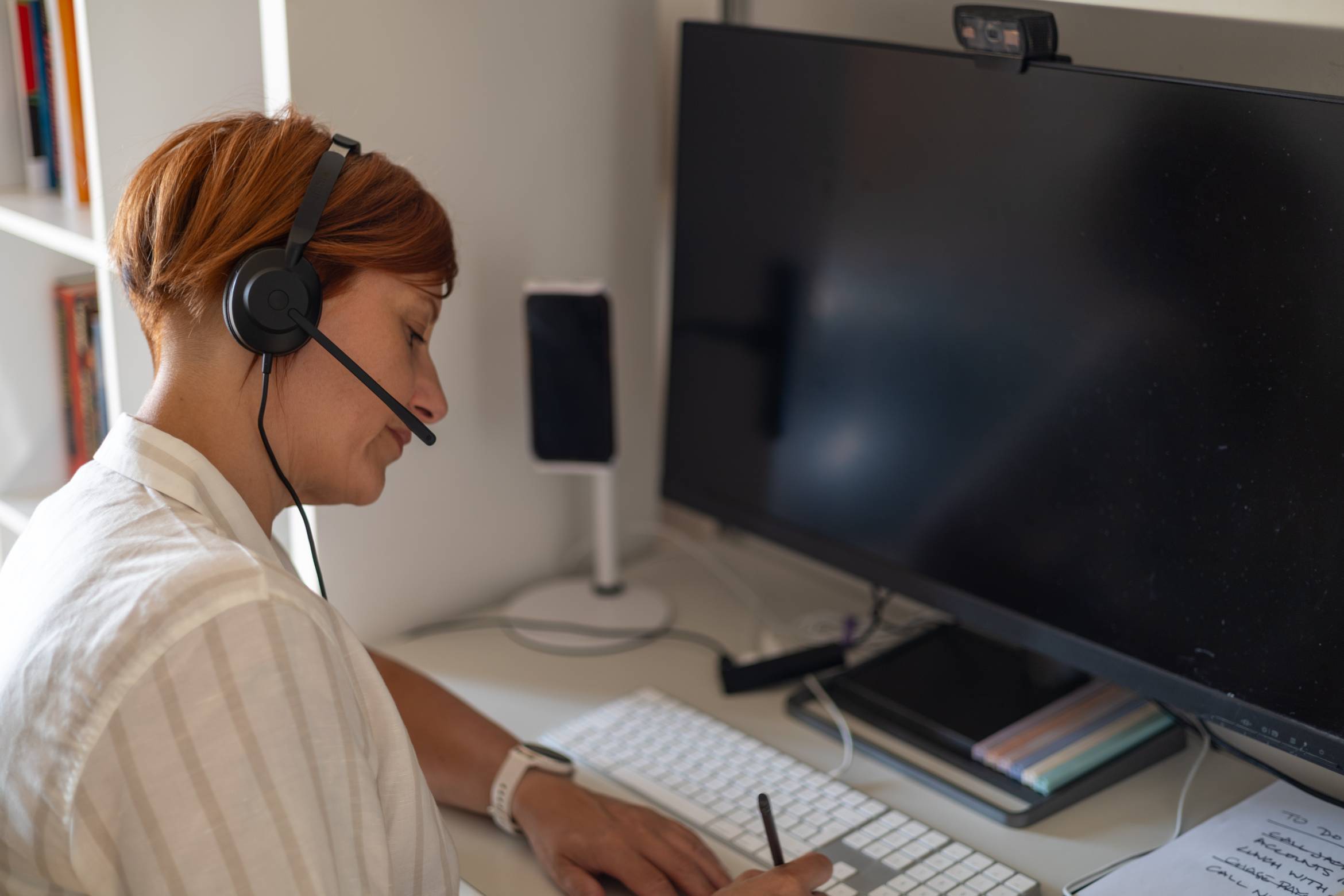
Those first minutes help everyone, including the interpreter, to tune in. In a short segment, that often disappears. The moment the microphone is on, the content is already dense. There is no time to “ease into it”. The intensity is high from the beginning right through to the end.

Preparation Time: Just As Long, Even for a Short Slot
From the outside, it may look like a short interpreting assignment should come with a lighter preparation load. In reality, the prep work is almost identical to that of a longer assignment.
For a short interpreting slot, we still:
- Research terminology
- Read background documents and previous minutes if available
- Understand the project, product or policy being discussed
- Coordinate with colleagues
Why?
Because the risk is often higher. When there is only a short window, there is less space to recover from misunderstandings, sound issues or unclear terminology. Preparation helps us ensure that those crucial minutes run smoothly.

Technical Setup: Same Steps, Regardless of Length
The same applies to the technical side, especially online.
Even if the actual speaking time is only 10–20 minutes, a professional interpreter will typically:
- Log in early
- Test audio and video
- Check the platform settings (channels, handover, muting, etc.)
- Coordinate with colleagues behind the scenes
- Make sure there is a plan B if something goes wrong technically
All of that happens before a single word of content is interpreted. Whether the event is 30 minutes or 2 hours, the technical preparation is essentially the same. The goal is always to minimise risk and guarantee quality.
What This Means If You Book Interpreters
If you’re an organiser, agency or client planning an event, here are a few takeaways:
- Factor in preparation time Even for a short speaking slot, your interpreters will still put in the work before the event. Sharing materials in advance makes a huge difference.
- Don’t underestimate short segments If the content is high-stakes, strategic or highly technical, treat a short slot as seriously as you would a full session.
- Allow time for technical checks For online events, schedule sound checks and log-in times properly. A 30-minute intervention does not mean a 30-minute booking window.
- Value expertise, not just minutes You’re not only paying for the time on the microphone – you’re paying for the preparation, experience and risk-management that make those minutes work smoothly.
Final Thoughts
Short interpreting assignments can be powerful: they condense essential messages into a tight format. But precisely because of that, they often demand maximum focus, careful preparation and robust technical support.